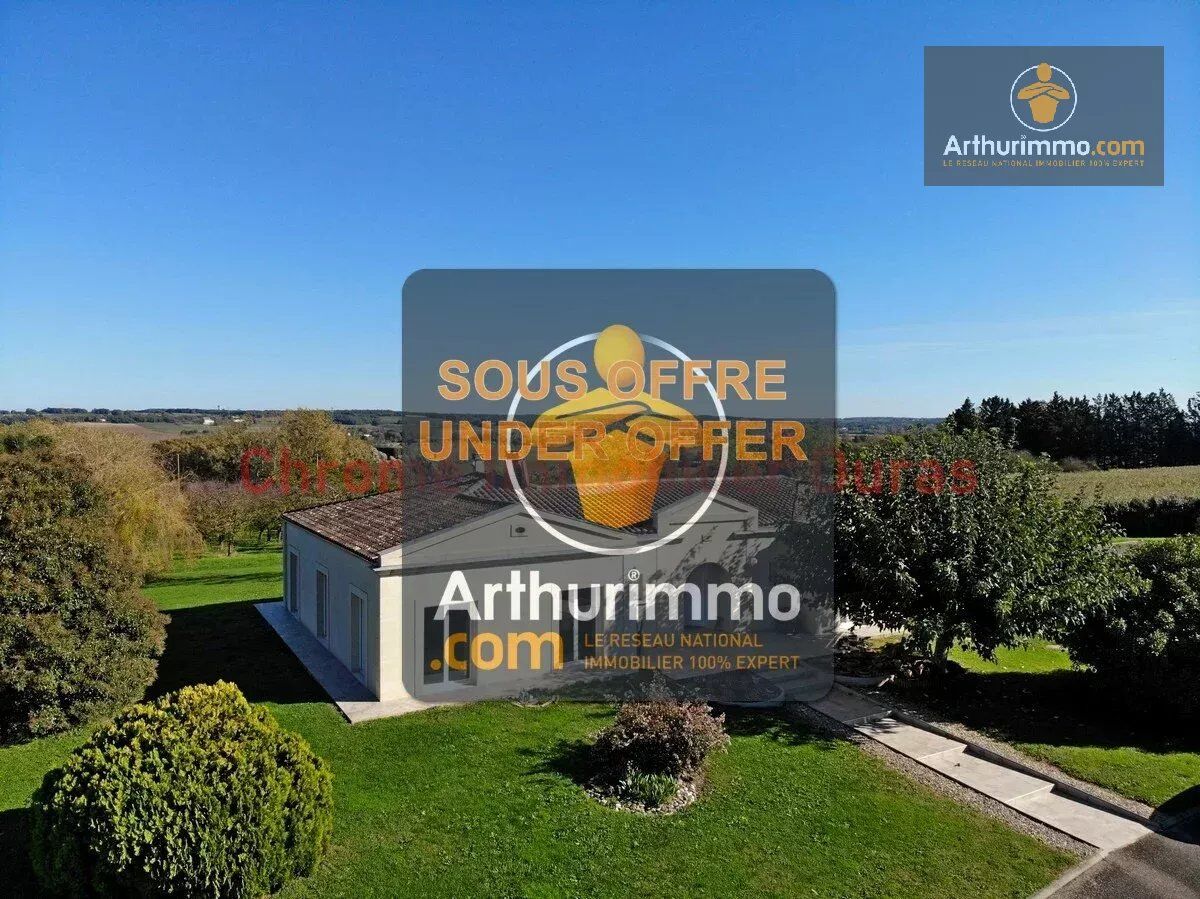
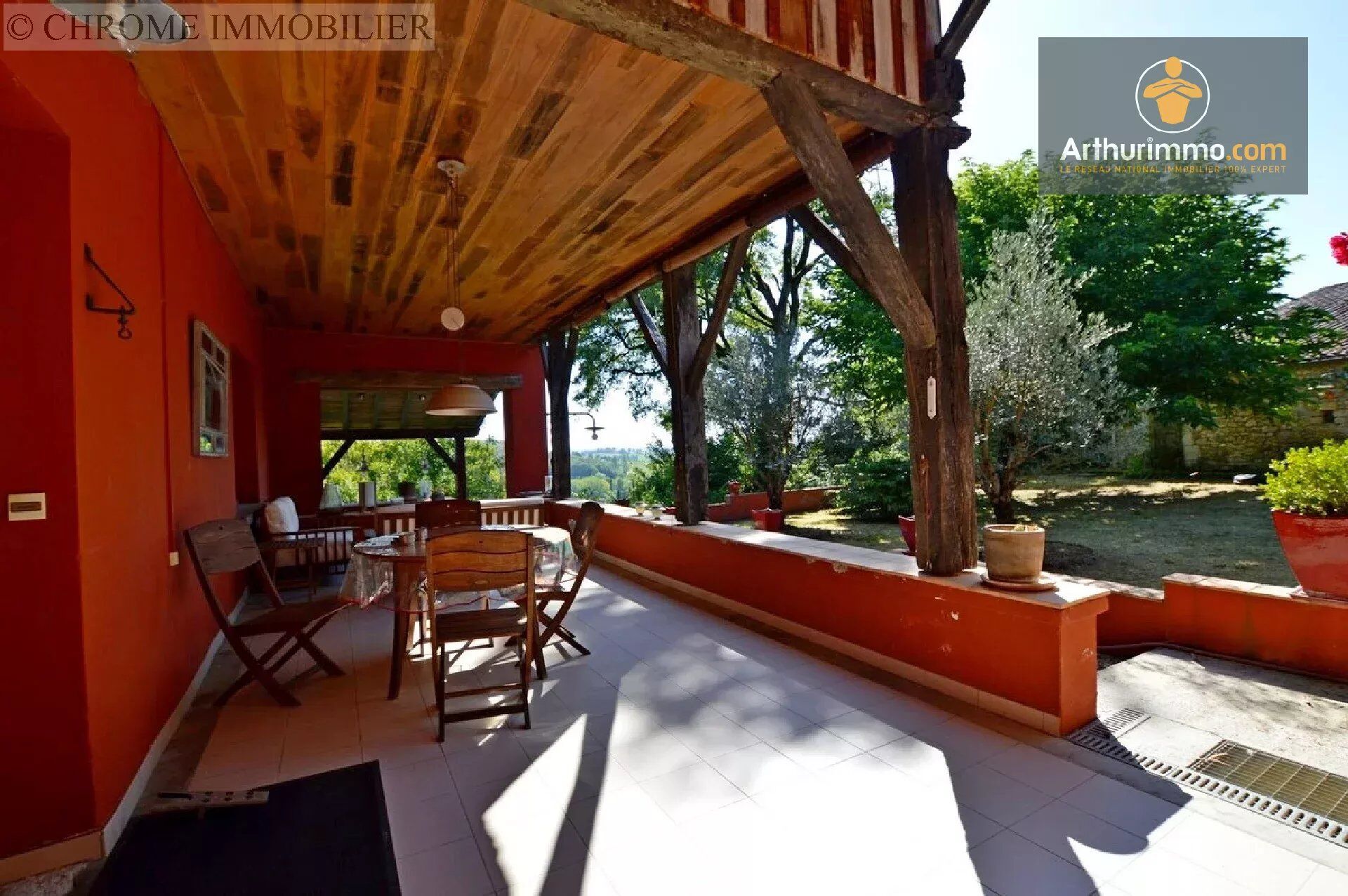
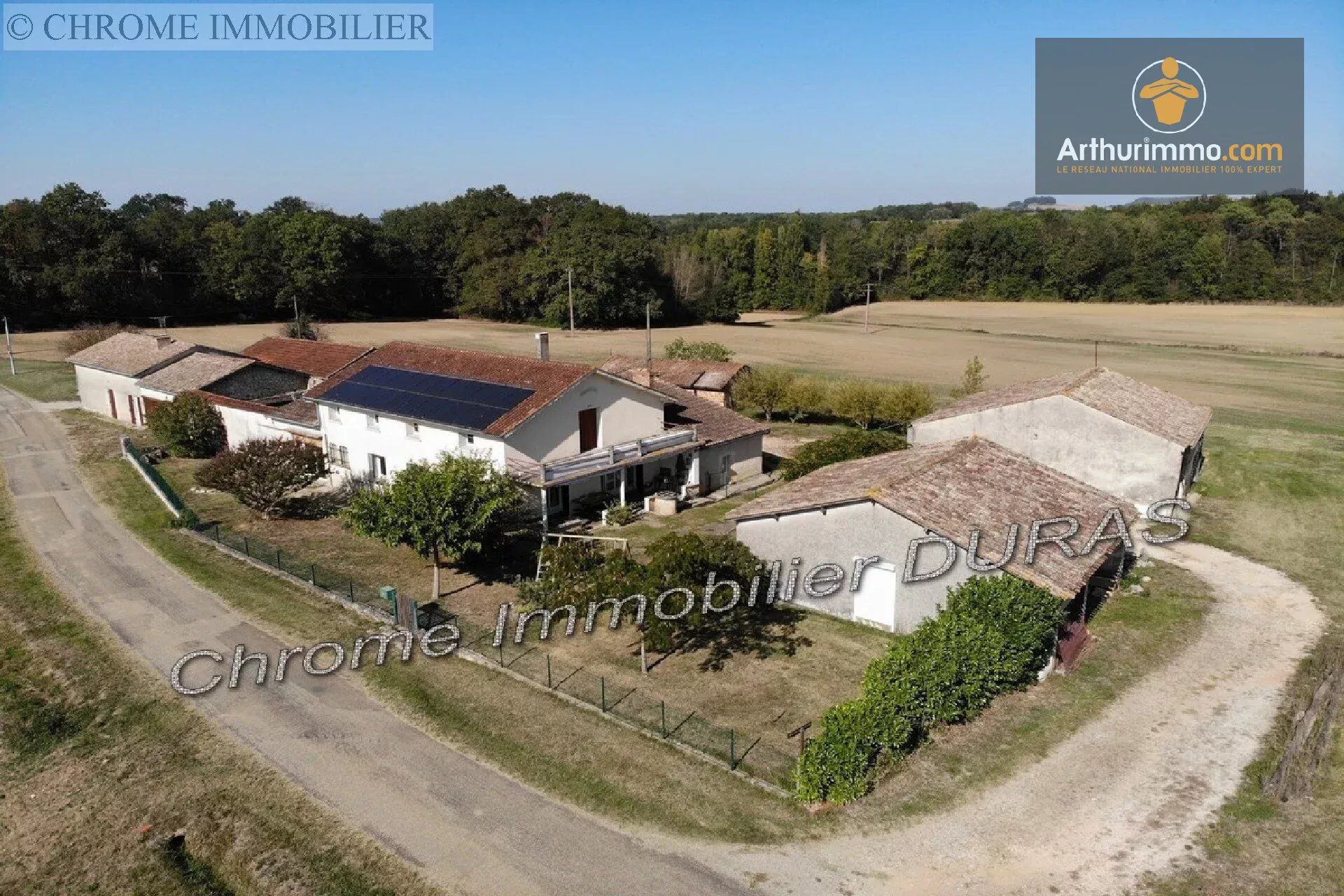
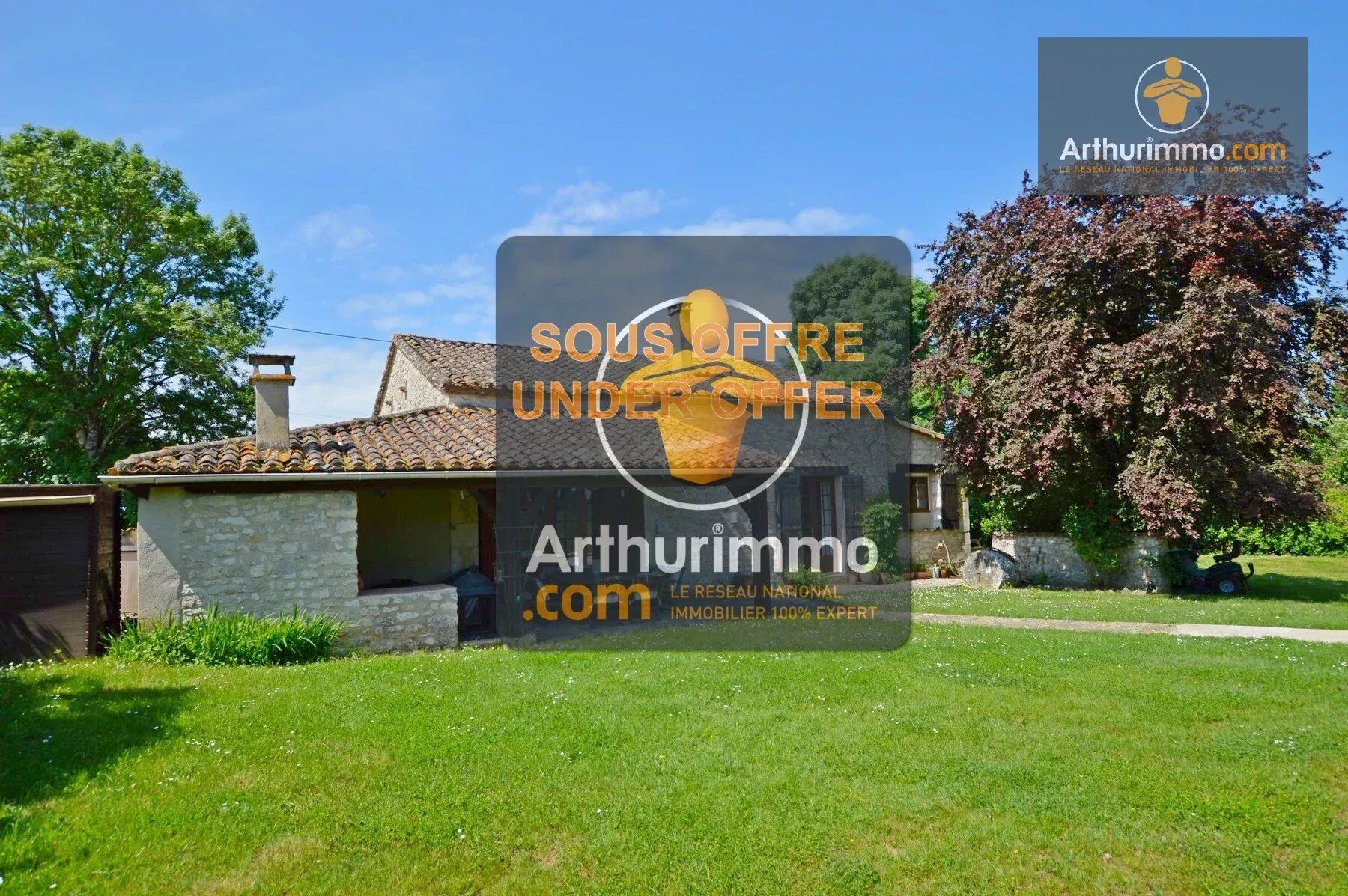
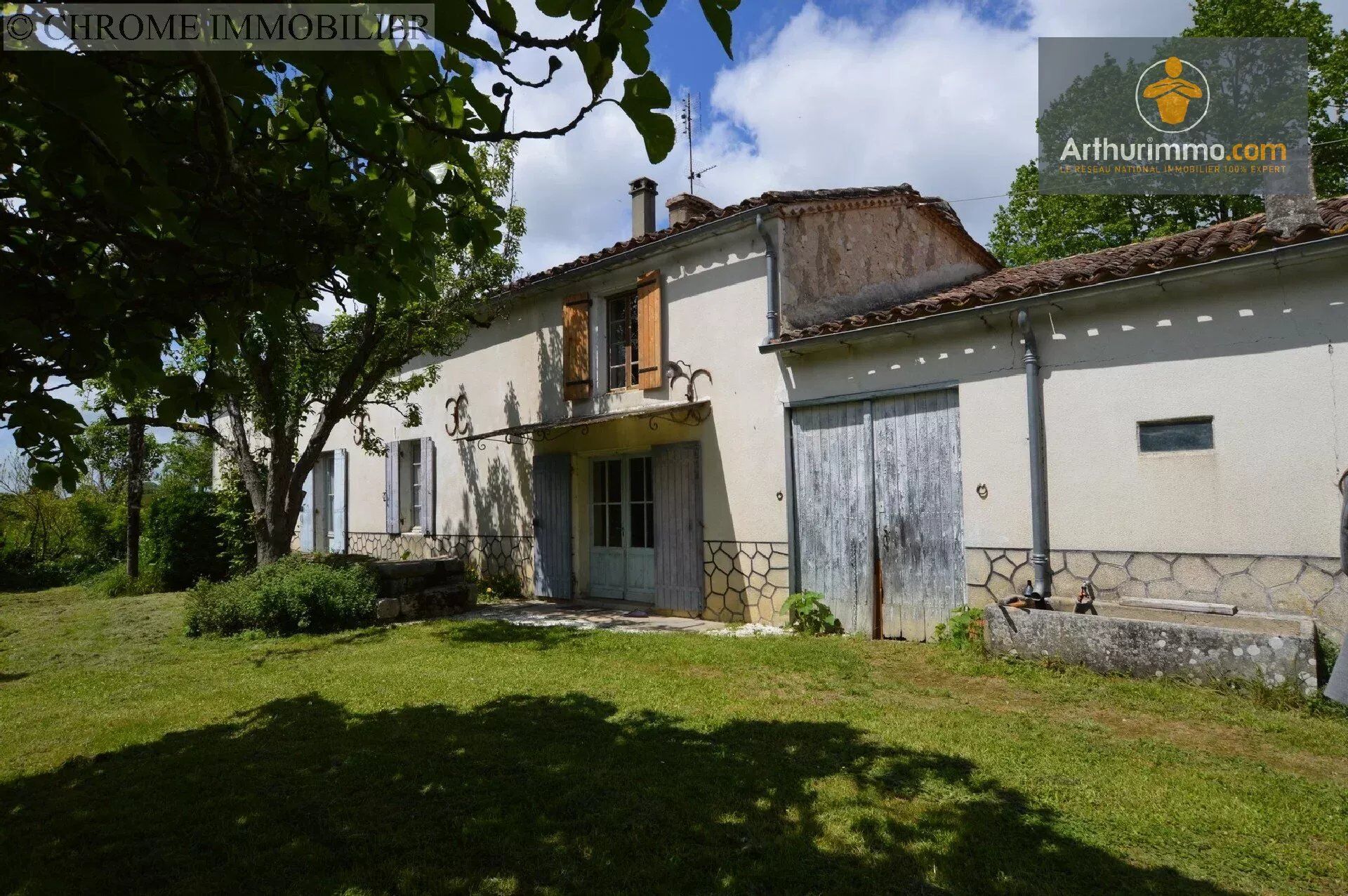
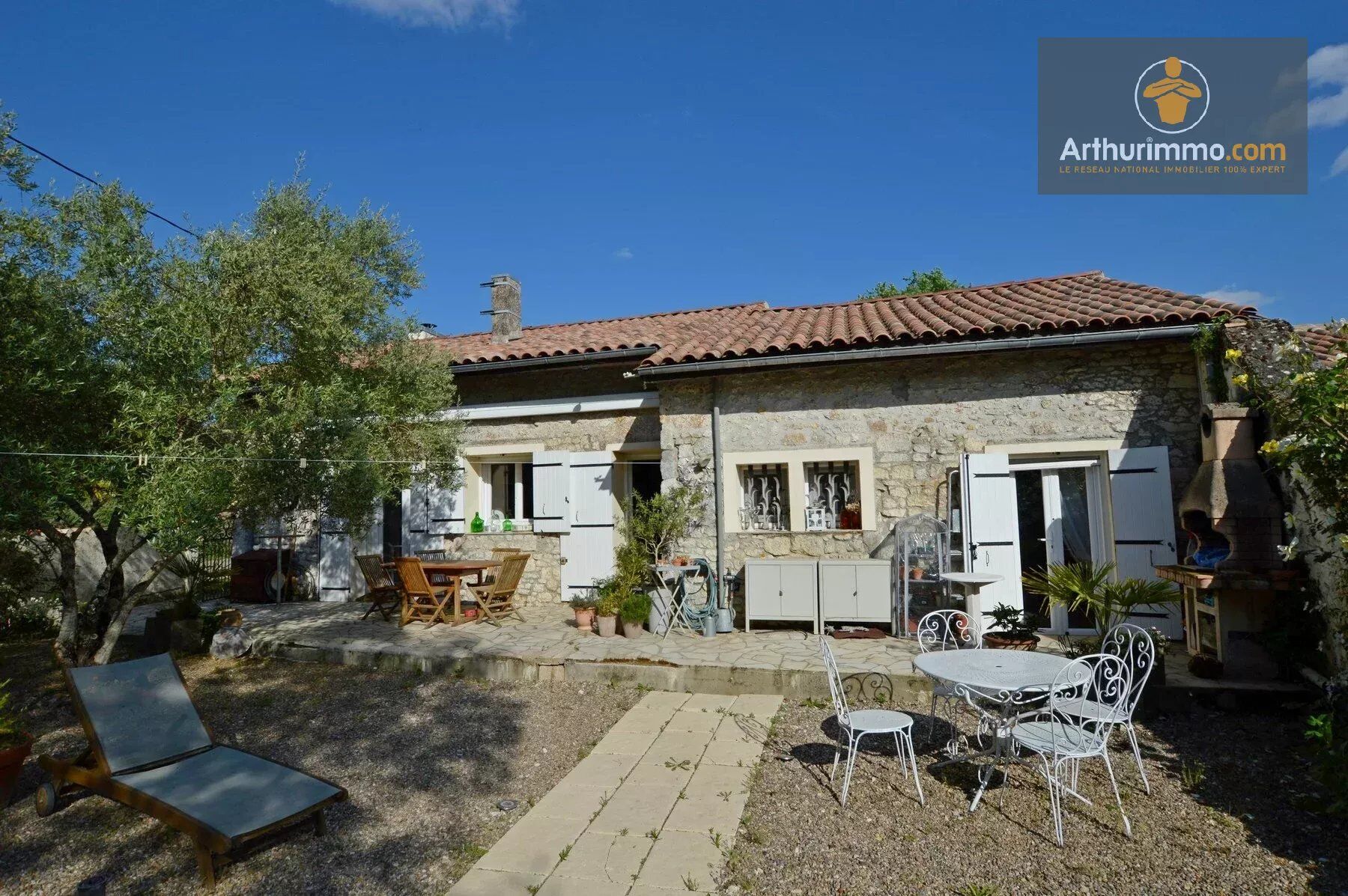
A farmhouse for sale in France is the version of the dream most people are actually carrying — stone, shutters, a barn, some land. This is an honest guide to buying one in the south-west: what the money buys, what the barn will cost you, and the checks that separate a good purchase from an expensive education.
At a glance
Of all the ways people imagine a life in France, the farmhouse is the most persistent. Stone walls, shuttered windows, a barn across the yard, a few hectares running down to a stream. It is a specific and durable picture, and in the south-west it is still genuinely affordable — which is exactly why it deserves a clear-eyed look before you commit.
This is a guide to buying one: what is actually on the market, what it costs to own rather than to purchase, and the checks that decide whether the project is a pleasure or an education.
What a French farmhouse actually is
The word covers several quite different buildings, and the distinction matters.
A fermette is a small farmhouse — a modest dwelling, often with one or two outbuildings and a manageable plot. The most common entry point and usually the most sensible.
A corps de ferme is the full complement: house, barns, stables and courtyard, historically a working unit. Substantial, frequently magnificent, and a great deal of roof.
A longère is the long, low, single-depth building found across much of rural France, usually with rooms running one into the next.
A grange is a barn, sold either alongside a house or on its own for conversion. Cheap to buy and expensive to finish.
A maison de maître is not a farmhouse at all but often appears in the same searches — the tall, square, formal house of a nineteenth-century landowner. Handsome, symmetrical, and expensive to heat.
Knowing which you are looking at tells you most of what the ownership will involve.
Where the value is
The south-west divides sharply on price, and the divide has more to do with reputation than with the buildings.
The Périgord Noir around Sarlat carries a substantial premium, driven by decades of second-home demand. The Atlantic coast and the country around Bordeaux likewise.
The best value sits inland: Lot-et-Garonne, the southern Dordogne, the eastern Gironde, the Gers. The same stone, the same shutters, the same rolling country of vines and sunflowers — at a fraction of the price, largely because the names are less famous.
The practical consequence is worth stating plainly. A budget that buys a modest house needing work in the Périgord Noir will often buy a substantially better farmhouse, with more land, thirty to ninety minutes south-west.
The costs that are not the price
Purchase costs run to roughly 7–8% on older properties, overwhelmingly tax and registration duty collected by the notaire rather than their own fee.
The roof is the largest single renovation item on almost every farmhouse, and the one most often deferred. A re-roof on a corps de ferme with several buildings is a serious sum. Look at it first, from the ground with binoculars if you cannot get up.
The fosse septique. Most rural properties are not on mains drainage. SPANC inspects the installation, and a non-compliant one becomes your responsibility within a defined period. Replacement is expensive. Read that report before you offer, not after.
Heating. Thick stone holds heat well once warm and takes a long time to get there. Inland winters here are wet and grey rather than freezing, and a poorly insulated farmhouse is costly to run. It shows in the DPE rating, which now also affects what can be let.
The land. A hectare is 10,000m². Keeping it tidy is a commitment, and for anything beyond a large garden a ride-on mower or a small tractor stops being optional.
Outbuildings you do not use. A barn still needs a roof. Every building on the plot is a maintenance liability until it is either restored or deliberately allowed to become a ruin.
The checks that matter
There is no survey
Nothing in the French process assesses structural soundness. You receive mandatory diagnostics — energy, asbestos, lead, termites, electrics, gas, septic tank — but none of them tells you whether the walls are sound or the roof will last.
Commission your own report from a builder, architect or maître d'œuvre. On an old farmhouse this is the single best money you will spend, and it is the step foreign buyers most often skip.
Damp and structure
Old stone buildings breathe. Damp problems here are frequently caused by well-meaning modern repairs — cement render trapping moisture in walls built to release it, or concrete floors poured over earth. Ask what has been done recently, not only what needs doing.
Look for cracks that step through mortar joints, sagging ridgelines, and floors that fall away from the walls.
Access, boundaries and rights
Rural plots carry complications town buyers never encounter. Shared tracks. Wells. Rights of way. Agricultural leases on the land — a bail rural can be very difficult to end. Boundaries agreed verbally three generations back.
The notaire surfaces the registered ones. Ask specifically about the rest, and walk the boundary with the vendor.
Planning, before you buy
If the plan involves converting the barn, adding windows, or building a pool, find out what is permitted before the compromis, not after. The mairie is the first stop and is usually helpful. A barn conversion that turns out to be refused is a barn.
The artisan question
A cheap house that needs a roof is only cheap if someone will come and put one on. Good builders, roofers, plumbers and electricians across this region are booked months ahead — a genuine constraint that shapes renovation timelines far more than money does.
Before committing to a project, find out who would actually do the work and when they could start.
Insurance, tax and the paperwork of owning land
Owning a farmhouse involves obligations a flat in a town does not.
Insurance is compulsory for the building, and insurers ask specific questions about old properties: the roof's age, the wiring, whether there is a wood-burner and when the flue was last swept. An unoccupied house for long stretches also changes the terms, and failing to declare that is the sort of omission that surfaces at claim time.
Taxe foncière is the annual owner's tax and is charged on outbuildings as well as the house, so a corps de ferme carries more than a cottage. Taxe d'habitation now applies only to second homes, with a surcharge in some communes.
Agricultural land may be taxed differently from the garden, and if any of it is let under a bail rural the tenant's rights are strong and long.
Wells and boreholes must be declared to the mairie, and water drawn from them cannot be used for drinking without testing.
Trees and boundaries are governed by rules on planting distances from a neighbour's line, and cutting a boundary hedge unilaterally is a reliable way to start a dispute that outlives you.
Wood-burning stoves need annual sweeping with a certificate, which insurers do ask for.
None of this is onerous. All of it is easier to sort out in the first year than in the fifth.
Neighbours, hunting and the working countryside
A farmhouse sits in a landscape that is somebody's workplace, and that has consequences worth knowing before you are surprised by them.
Agricultural noise and smell are lawful and normal. Tractors work late in harvest. Spraying happens. Livestock is loud at inconvenient hours. Buyers who arrive expecting rural silence are the ones who end up unhappy, and the courts are unsympathetic.
Hunting rights may extend across land near or even over your own. The season runs broadly from autumn into late winter, hunts are organised through the local association, and the arrangement is deeply embedded in village life. It is worth asking about the position on any property you are seriously considering.
Access tracks are often shared with a farmer who needs them for machinery. Blocking one, or resurfacing it in a way that suits a car but not a tractor, is a fast route to a bad relationship.
The neighbours matter enormously in a hamlet of forty people, and the relationship starts on day one. Introducing yourself early — before you need anything — is the single best investment a new arrival makes. It is also how you find out who the reliable roofer is, which no website will tell you.
Restoration, honestly
The romance of restoration survives contact with reality unevenly.
It usually costs more than buying restored. Between materials, artisans and the things you find once you open a wall, the finished cost of a wreck frequently exceeds what a completed house would have cost. Buy a project because you want the project.
It takes longer than promised, largely because of the artisan queue rather than the work itself.
Traditional buildings want traditional materials. Lime rather than cement, breathable finishes, appropriate roof tiles. This is not aesthetic purism; it is what stops the walls holding water. It also costs more and needs artisans who know how.
Some work requires registered trades, and using them properly matters for insurance and for the guarantees that attach to structural work.
Do it in the right order. Roof, then structure, then services, then the kitchen everyone wants to start with.
Making it pay
Many farmhouse buyers offset costs by letting part of the property — a gîte in a converted barn, or chambres d'hôtes in the main house.
It works, and this region has the visitor demand to support it. But treat it as a business: the activity must be registered, the income declared in France, safety requirements met, and any conversion permitted before it is advertised. Occupancy is strongly seasonal, and the summer weeks carry the year.
The other honest note: running a gîte means being present through the season, cleaning on changeover days, and dealing with guests. Some people love it. Some discover they have bought themselves a job.
Viewing well
Farmhouse viewings reward preparation in a way town viewings do not, because most of what will cost you money is outside the house.
Go twice, and once in the rain. A wet day tells you where water sits, whether the track floods, how the roof behaves and what the light is like when the sun is not selling the place for you.
Walk the whole plot, to the boundary. Find the septic tank, the well if there is one, the drainage, and the point where your land stops. Ask what the field beyond is used for.
Get into every outbuilding. The barn nobody opened during the tour is the one with the failing roof.
Look up. Ridgelines, gutters, chimney stacks, and the underside of the roof from inside the attic — daylight through tiles tells you more than any brochure.
Run the taps and find the meter. Water pressure on a rural supply, and whether the electricity supply is adequate for what you plan.
Ask why they are selling, and how long it has been on the market. In a market this thin, a house that has sat for two years usually has a reason attached.
Take photographs of the things that worry you, not the things you like. You will remember the view without help.
Farmhouses in the Duras area
The country framed by Sainte-Foy-la-Grande, Bergerac, Villeréal, Lauzun and Marmande is farmhouse country in the most literal sense — this is working agricultural land, vines and sunflowers and orchards, dotted with the stone houses that farmed it.
Three départements meet here, which is why prices vary so sharply across distances that mean nothing on the ground. Lot-et-Garonne remains among the best value in France for exactly this kind of property, and the Dordogne and Gironde countryside either side of it is indistinguishable to the eye.
What that buys in practice is scale. The budget that gets you a village house near Sarlat will often get you a stone farmhouse with outbuildings and land here — and the land is what people actually came for.
The access is better than the prices suggest. Bergerac and its airport are about thirty-five minutes, Bordeaux around an hour and a quarter, and the market towns — Duras, Eymet, Monségur, Sainte-Foy-la-Grande — are each within half an hour with markets on different days. There is a British and Dutch community decades deep, so you will find people who have done exactly this renovation and will tell you who to call.
Winter here is quiet rather than empty. The villages have year-round populations, the bakeries open in February, and the associative life — walking clubs, language exchanges, the comité des fêtes — carries the season for anyone who joins in.
The listings above are a live selection of stone houses and country property in this area. If you want to talk through what a particular budget really buys, and which of these projects are sensible rather than romantic, Tina lives in the Duras area, works in local property, and will give you an honest answer in your own language.
Why this matters if you're looking at Duras
The Duras area has stone farmhouses with land at prices the famous Dordogne stopped offering years ago. Tina works in local property and knows the stock.
Frequently asked questions
How much does a farmhouse in France cost?
What should I check before buying a farmhouse?
Is it cheaper to buy a wreck and restore it?
What does the barn add?
How much land comes with a farmhouse?
Can I run a gîte from it?
Are farmhouses hard to heat?
Do I need to speak French to buy one?
Sources & last reviewed
Last reviewed: 28 August 2026. Rules, rates and figures change — always confirm the current position with the official source before you act.