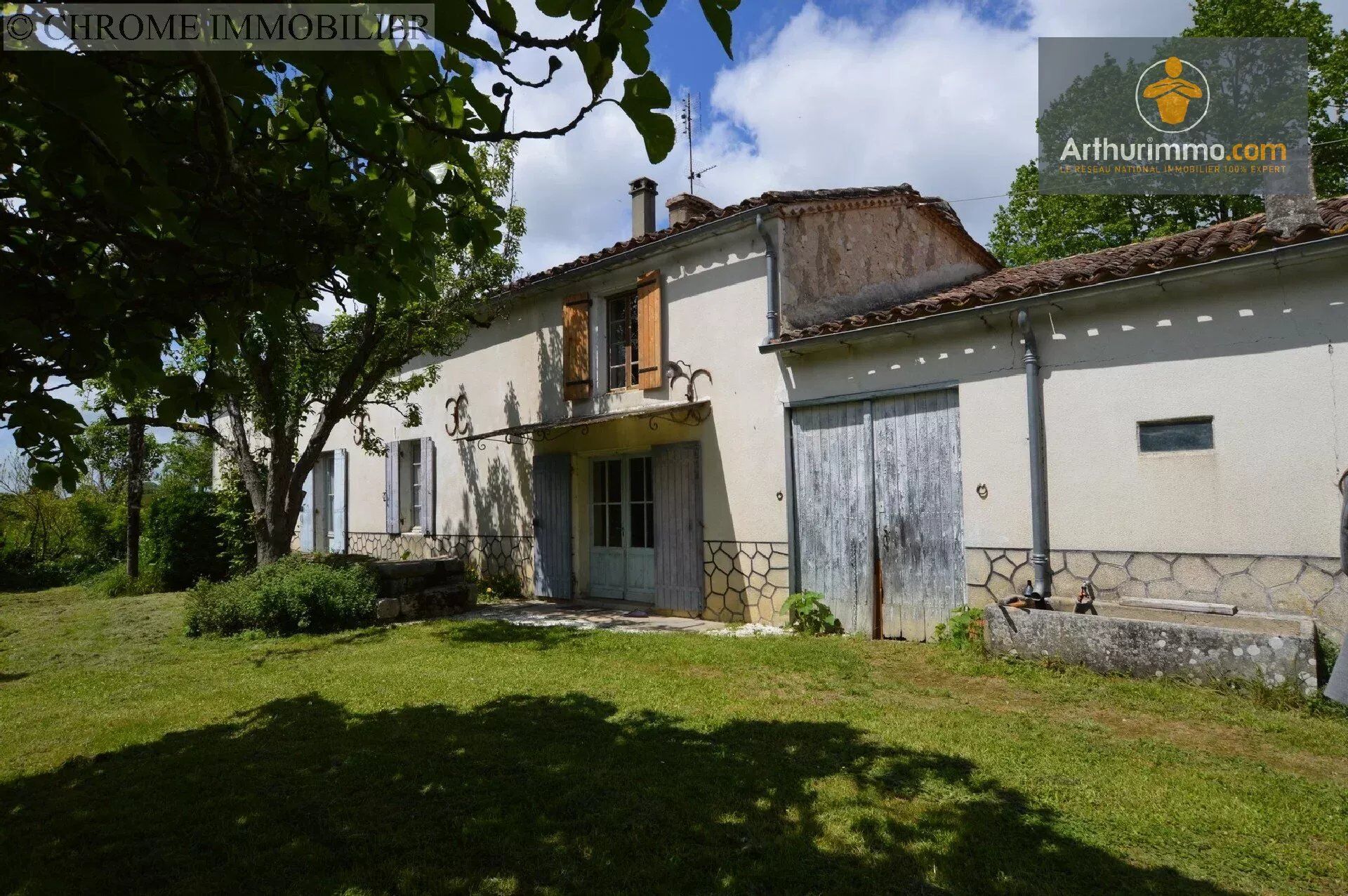
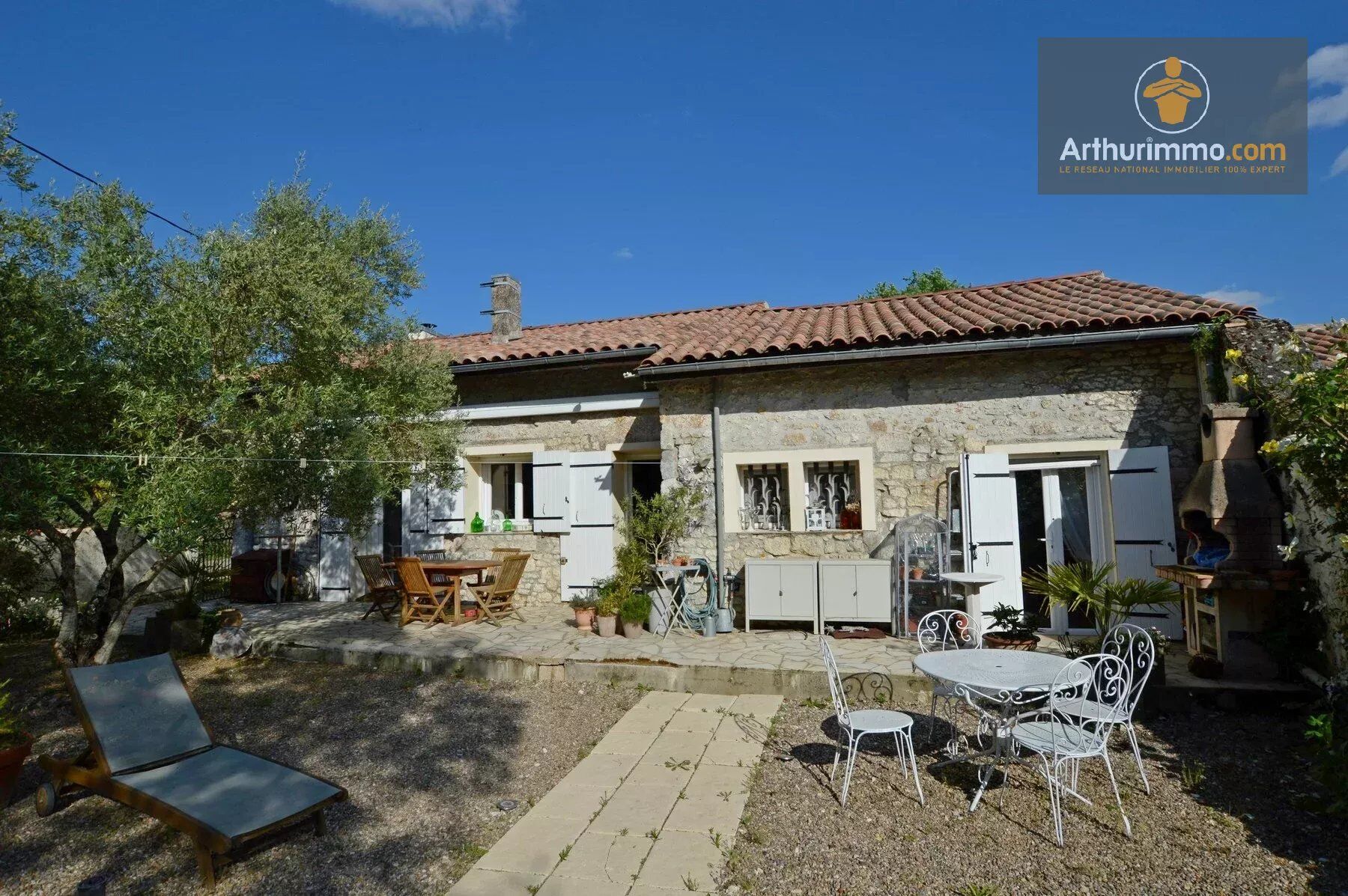
Cheap French property is real — there are habitable houses in this region for less than a new car. What the listings do not show is the roof, the septic tank, the artisan queue and the heating bill. This is an honest guide to what a bargain actually costs once it is finished.
At a glance
There are houses for sale in this part of France for less than the price of a decent used car. That is not a marketing claim; it is what the listings say, and the prices are genuine.
What the listings do not say is what happens next. This is a guide to that.
Why it is cheap
Nothing sinister, and worth understanding because it tells you what you are buying into.
Rural depopulation. From the late nineteenth century onwards, people left the French countryside for the cities. Villages that held six hundred people hold two hundred now. The houses stayed.
An ageing owner base. A great deal of rural stock is inherited by children who live in Toulouse or Paris, do not want a farmhouse three hours away, and want it sold.
No land shortage. Space is not scarce here. Nothing in the price reflects scarcity, which is most of what you pay for in a British market.
The buildings are old. Stone houses built for a way of life that involved animals downstairs and no bathroom. Bringing them to modern expectations is what costs.
The categories
Building plots and barns. The cheapest thing you can buy. A barn is a roof and four walls, and converting it needs planning permission that is not guaranteed. Price it as a cost, not an asset, until you have the permission in hand.
Wrecks. Roofless, or nearly. Genuinely cheap and genuinely a project — years, not months, and only sensible if the project is the point.
Habitable but rough. Weather-tight, wired, plumbed, and dated. Liveable from day one while you improve it. This is where most sensible money goes.
Habitable and unmodernised. The best-value category on the market and the least glamorous: no structural problem, no leaking roof, just a 1970s kitchen and a brown bathroom suite. Experienced buyers look for exactly this.
Restored. Somebody else did the work and priced it in. Often cheaper than doing it yourself and always faster.
What is not in the asking price
The roof
The single largest item on almost every old property and the one most often deferred by the previous owner. A re-roof on a farmhouse with outbuildings is a serious sum, and it is not optional — everything else follows from a dry building.
Look at it first, from the ground with binoculars if you cannot get into the attic. Daylight through tiles, sagging ridgelines and slipped verges all tell you something.
The fosse septique
Most rural houses are not on mains drainage. SPANC inspects the septic system, and the report is in the diagnostics dossier you receive before offering. A non-compliant installation becomes your responsibility, generally within a defined period after purchase, and replacement is expensive.
Read that report. It is the most commonly skipped page in the pack and the most expensive one to skip.
There is no survey
France has no equivalent of a structural survey. The mandatory diagnostics cover energy, asbestos, lead, termites, electrics, gas and drainage — specific hazards, not whether the walls are sound.
On a cheap house this matters more, not less. Commission your own building report. It is the best money a foreign buyer spends and the step most often omitted, usually by the people buying at the bottom of the market who can least afford to be wrong.
The artisan queue
This is the constraint nobody budgets for. Good builders, roofers, plumbers and electricians across this region are booked months ahead — a genuine limit that shapes renovation timelines far more than money does.
A cheap house that needs a roof is only cheap if somebody will come and put one on. Before committing, find out who would actually do the work and when they could start.
Heating and running costs
Thick stone holds heat well once warm and takes a long time to get there. Inland winters here are wet and grey, and an uninsulated farmhouse is expensive to run. It shows in the DPE rating, which now also affects what can be let and what the house resells for.
The land
A hectare is 10,000m² and it needs maintaining. Beyond a large garden, a ride-on mower or a small tractor stops being optional. Every outbuilding is a maintenance liability until it is either restored or deliberately left to become a ruin.
The arithmetic that catches people
The pattern is consistent enough to state plainly.
Somebody buys a very cheap house because it is the only way the French plan fits the budget. The purchase leaves little or nothing for the work. Quotes come in higher than expected, the roofer cannot start for five months, and the project stalls at the point where the house is neither liveable nor sellable.
Restoring is frequently more expensive than buying restored. Materials, labour, and what you find once a wall is opened all add up past what a finished house would have cost. That is not an argument against projects — it is an argument for doing one because you want to, not because you cannot afford the alternative.
The honest test: can you buy it and finish it, with a substantial contingency, without needing everything to go right? If not, look at the habitable-but-unmodernised category instead. It is duller and it is the better decision.
Renovation, in the order that works
If you do buy a project, the sequence matters more than the budget, and getting it wrong is how money disappears.
Roof first, always. Nothing else survives a wet building, and every pound spent inside a house with a failing roof is spent twice.
Then structure and drainage. Walls, floors, the fosse septique. Unglamorous, invisible when finished, and the part that determines whether the house is sound in twenty years.
Then services. Wiring, plumbing, heating. French electrical standards are specific and the work needs doing properly for insurance as much as safety.
Then insulation and windows, which is where the running costs and the DPE rating are decided.
Then the inside. Kitchens, bathrooms, floors, paint — the part everyone wants to start with and the only part that can safely wait.
Two things worth knowing about materials. Old stone buildings breathe, and modern impermeable finishes — cement render, plastic paint, concrete floors — trap moisture in walls designed to release it. A great many damp problems in this region were created by well-meaning repairs rather than neglect. Lime mortar and breathable finishes cost more and are not optional on a building like this.
And certain work requires registered trades, both for insurance and for the ten-year structural guarantee that attaches to it. Cash-in-hand on structural work is a false economy that surfaces when you sell.
Cheap for a reason, and cheap by accident
Not every cheap house is a problem, and telling the two apart is the whole skill.
Cheap for a reason looks like: a failing roof, a non-compliant fosse septique, a damp problem, an F or G energy rating, no access rights, a half-finished renovation abandoned by the last buyer, or a location genuinely miles from anything.
Cheap by accident does exist. An estate sale where the family want it gone. A house that has been on the market two years because the photographs are terrible and the description is three lines. A property advertised only in French, by a local agent, in a village nobody searches for. Something in Lot-et-Garonne that would cost double with a Dordogne postcode.
The second category is where the genuine bargains are, and finding them takes the things most buyers do not have: time, a willingness to look at unphotogenic listings, some French, and local contacts who hear about things before they are advertised.
That last point is worth taking seriously. In rural France a good deal changes hands before it ever reaches a portal. Telling a baker, a neighbour or the mairie that you are looking is a genuinely effective method.
Where genuine value sits
Habitable, unmodernised, with land, in an area with services. You live in it from day one, improve it at your own pace, and are never trapped by a half-finished building.
Away from the famous names. The Périgord Noir around Sarlat carries a large premium; inland Lot-et-Garonne, the Gers and the eastern Gironde do not, for identical countryside. Searching by drive time rather than département is the single change that surfaces the best value.
Near a market town rather than deep in the countryside. Cheaper to service, easier to sell, and a considerably better proposition as you get older.
Where the trades are. An area with a working population of artisans beats a remote one where every job means bringing someone from an hour away.
Making a cheap house pay
A fair number of people buy at this end intending the property to earn something, and it can — with realistic expectations.
Gîte letting is the common route: a converted barn or a second cottage let by the week through the season. This region has genuine visitor demand, and a well-presented gîte with a pool books through July and August. But occupancy is strongly seasonal, the summer weeks carry the year, and it is a business rather than passive income — registering the activity, meeting safety requirements, declaring the income in France, and being present for changeover days.
Chambres d'hôtes works similarly and demands more of you, since guests are in your house.
The honest arithmetic is that letting offsets the running costs of a large rural property rather than funding the purchase of one. Anyone whose plan depends on rental income to service a mortgage is building on the least reliable part of the picture.
And it changes what you should buy. A property that will let needs to be near something people want to visit, have parking, have outside space, and ideally a pool — none of which are the same criteria as a house you simply want to live in. Deciding which of the two you are actually buying, before you look, saves a great deal of confusion.
What to do before you offer
A short sequence that separates good cheap purchases from bad ones.
Visit twice, and once in the rain. A wet day shows you where water sits, whether the track floods and how the roof behaves.
Get into the attic and every outbuilding. The barn nobody opened on the tour is the one with the failing roof.
Read the whole diagnostics dossier, particularly the SPANC report and the DPE.
Commission your own building report. On a cheap house this matters more than on an expensive one.
Get two quotes for the biggest item before you commit, not after. If the roofer cannot see it for six weeks, that itself is information about the queue.
Walk the boundary with the vendor and ask about tracks, wells and rights of way.
Visit the village in February if you can. A cheap house in a hamlet that empties in winter is a different proposition from the same house in a working village.
Work out the finished cost, then add a contingency, and ask whether you would still buy at that number. If the answer is no, the house is not cheap.
Questions worth asking
- How long has it been on the market? Two years usually has a reason attached.
- Why are they selling? Inherited and unwanted is a different situation from a failed renovation.
- What has been done recently, and by whom? Well-meaning modern repairs — cement render on breathable stone walls, concrete over earth floors — cause more damp problems here than neglect does.
- What is the DPE? F or G is a negotiating lever and a future problem.
- Is it on mains drainage? And if not, what does the SPANC report say?
- Who owns the track? Rural access is frequently shared and occasionally unresolved.
- Any agricultural lease on the land? A bail rural is very hard to end.
Looking in the Duras area
The country framed by Sainte-Foy-la-Grande, Bergerac, Villeréal, Lauzun and Marmande is genuine value territory rather than bargain-bin territory, and the distinction matters.
Prices here are among the better in France for the quality of countryside — this is inland Lot-et-Garonne and the edges of the Dordogne and Gironde, where the same stone farmhouse costs markedly less than an hour north-east. But there is stock at every level, which means you are not forced into a wreck to be here. The habitable-but-unmodernised category is well represented, and that is where the sensible money goes.
The practical advantages matter more at the cheap end than the expensive one. Bergerac is about thirty-five minutes with a hospital and an airport. There are working market towns within twenty-five minutes in several directions, which means artisans who live locally rather than travel. And there is a British and Dutch community decades deep, so there are neighbours who have already renovated a house like the one you are looking at and will tell you who to call — which is worth more than any guidebook.
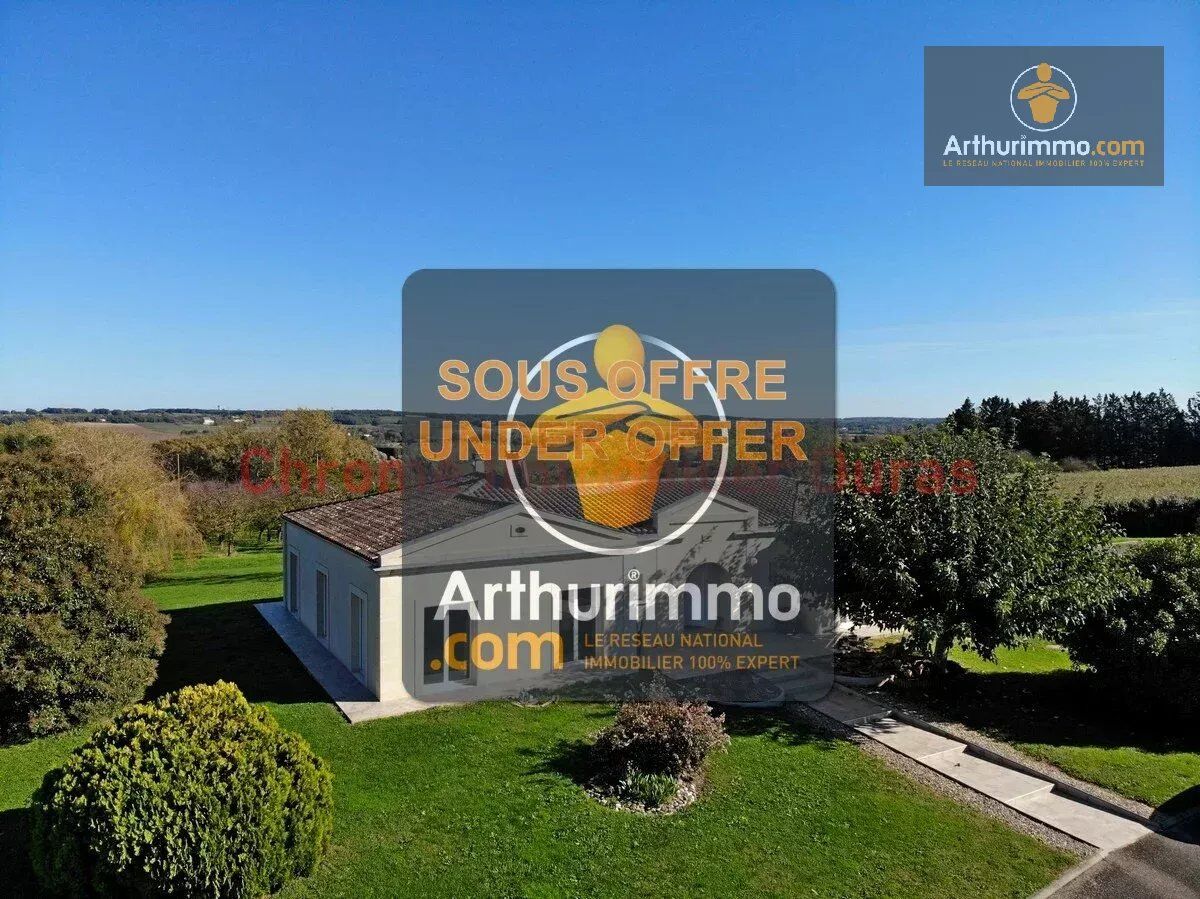
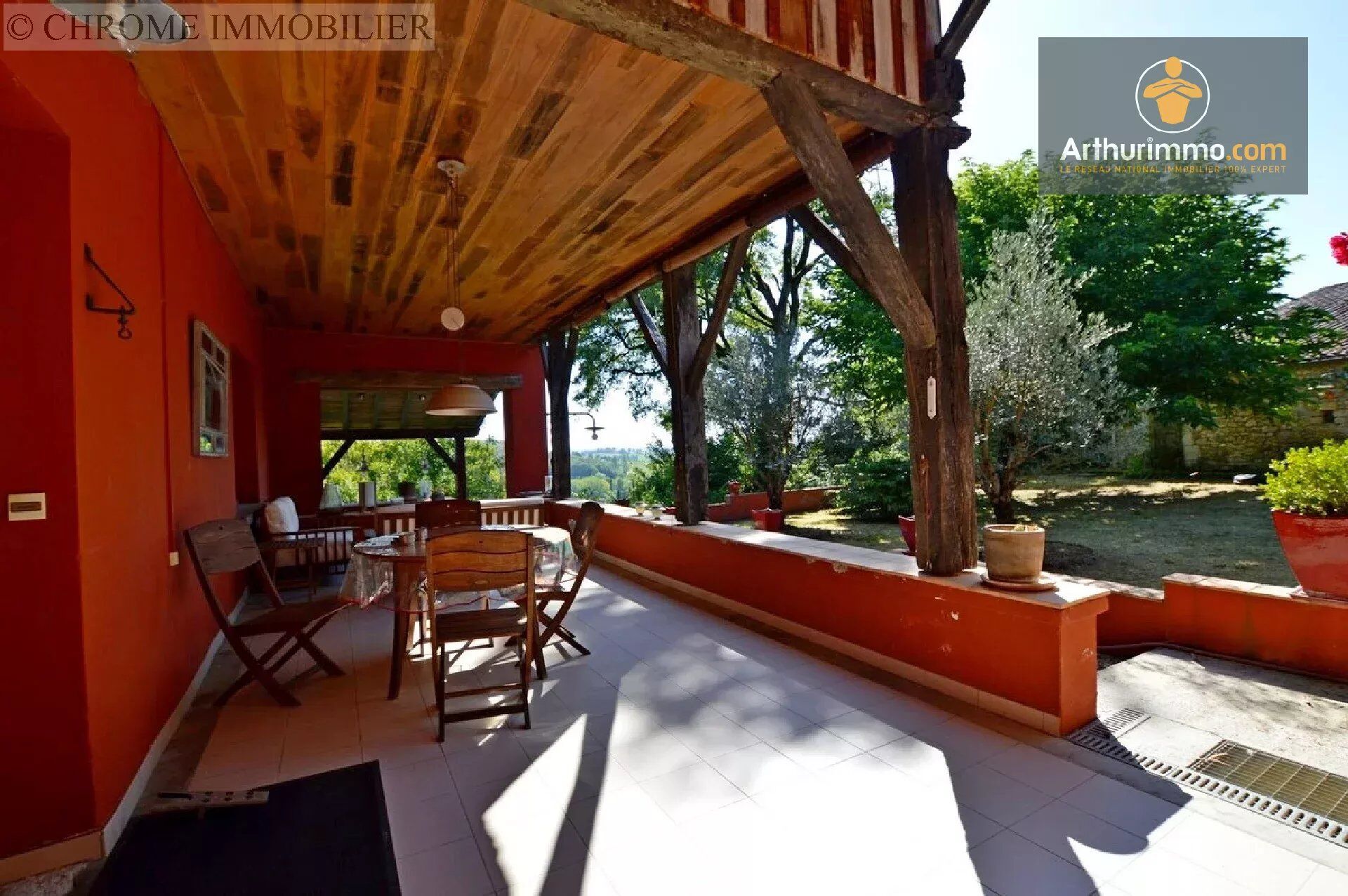
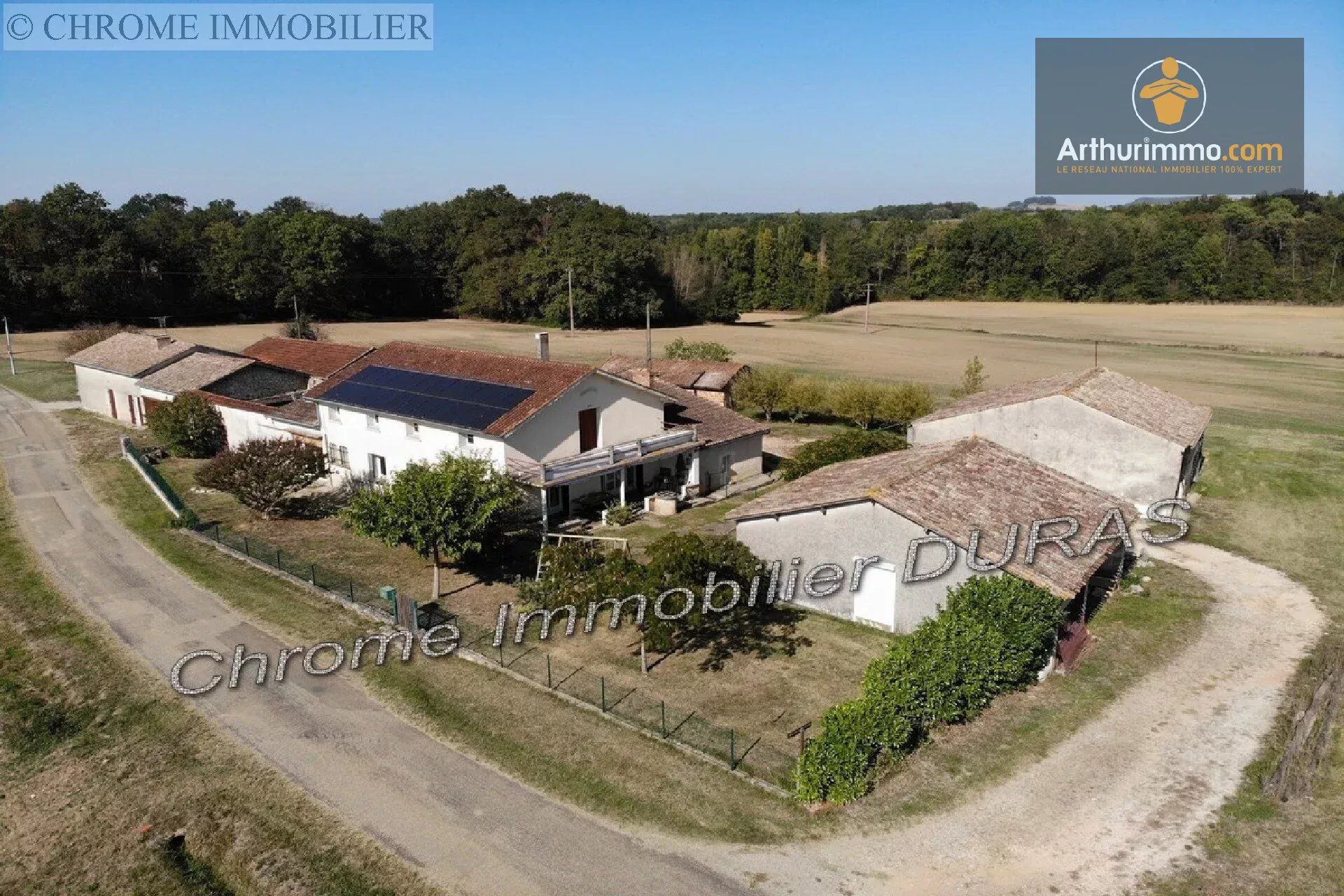
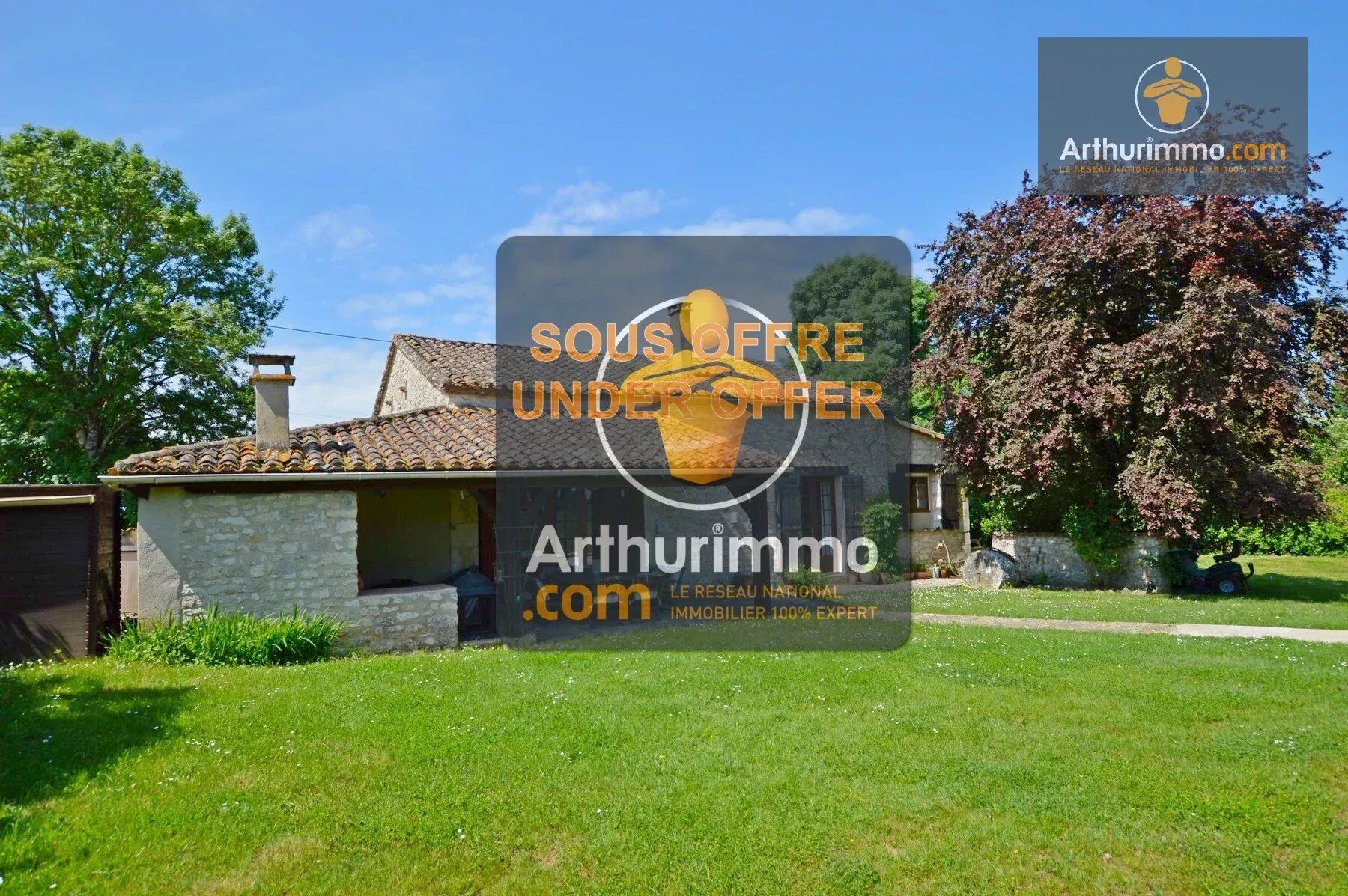
The listings above span the range deliberately, from land and projects to houses that need nothing. Comparing the two ends is the fastest way to understand what the cheap ones are really asking of you.
If you want an honest assessment of whether a particular cheap house is a bargain or a trap, Tina lives in the Duras area, works in local property, and has watched both outcomes many times — she will tell you which one you are looking at, in your own language.
Why this matters if you're looking at Duras
The Duras area has genuine value without the wrecks being a trap, because there is stock at every level. Tina works in local property here.
Frequently asked questions
Is French property really that cheap?
Why is it so cheap?
What is the catch with a very cheap house?
Is it cheaper to restore a wreck?
How much should I budget for renovation?
What is the fosse septique problem?
Are the very cheapest houses worth looking at?
What is the best value overall?
Sources & last reviewed
Last reviewed: 28 August 2026. Rules, rates and figures change — always confirm the current position with the official source before you act.