Duras sits on a ridge above the Dropt valley with a medieval fortress at one end and its own wine appellation on the slopes below. This is a guide to the town itself — the château, the market, the wine, what is actually there, and what it is like to live in rather than drive through.
At a glance
Duras is a small town on a ridge in the far north of Lot-et-Garonne, with a medieval fortress at one end, a wine appellation named after it on the slopes below, and long views over the Dropt valley in three directions.
It is the sort of place people drive through on the way to somewhere more famous and then find themselves thinking about later. This is a guide to what is actually there.
Where Duras is
The town sits on high ground above the Dropt, a small river running west to join the Garonne. That position is why there is a castle: it commands the valley and the crossing, which mattered a great deal for several hundred years.
Duras is in the Dordogne's shadow without being in the Dordogne. The departmental boundary runs a few kilometres north, and the countryside pays it no attention whatsoever — the same limestone, the same vines, the same stone houses. What changes is the price, since "Dordogne" carries a premium that a kilometre of identical farmland does not.
Three départements meet in this pocket. Lot-et-Garonne, where Duras sits. The Dordogne, north, with Bergerac half an hour away. The Gironde, west, where the Entre-Deux-Mers and Bordeaux's vineyards begin. That junction is the defining fact about the place.
The château
The Château de Duras stands above the town and is the first thing you see on the approach.
Founded in the twelfth century as a fortress, it was rebuilt and extended repeatedly across the centuries that followed, shifting from a military stronghold to something closer to a residence as the fighting moved elsewhere. It then declined badly, and much of the twentieth century was spent rescuing it.
What makes it worth an hour is precisely that history of neglect and recovery. The restoration is honest: you can see the structure of the building, the layers where different centuries meet, the parts that are original and the parts that are consolidation. It is not a stage set, and the mechanics of how such a place was made and defended are visible in a way that more thoroughly restored châteaux tend to hide.
The views from the top run across the Dropt valley and the vineyards, and on a clear day a long way beyond.
The town also gave its name to a ducal family, and — at a considerable remove — to the writer Marguerite Duras, who took her pen name from the area her father came from.
The wine
The Côtes de Duras appellation covers the hills around the town, and it is one of the better-value wine regions in France.
It sits between Bordeaux to the west and Bergerac to the north and shares grapes with both: Merlot, Cabernet Sauvignon and Cabernet Franc for the reds; Sémillon, Sauvignon Blanc and Muscadelle for the whites. It makes red, dry white, sweet white and rosé across a compact area of gentle slopes.
What defines it is the price. This is wine made to be drunk rather than collected, and the gap between what it costs and what it is worth is the thing newcomers remark on most. A great deal of it is sold in bag-in-box for everyday drinking, which is not a mark against it — that is simply how people here buy the wine they open on a Tuesday.
Most growers welcome visitors during working hours, tasting is generally free, and you will often meet the person who made it. The appellation's maison des vins gives the overview if you want the range in one visit.
The town itself
Duras is small, and honest about it.
There are bakeries, bars, a pharmacy, small shops, a school, the usual professionals, and a Monday market that is the fixed point of the local week. There is not a large supermarket, a hospital, or a wide choice of restaurants — for those you drive to Bergerac or Marmande, each about half an hour.
That is the trade, and it is the trade everywhere in this region. What you get in exchange is a town with a genuine year-round population, where the bakery opens in February and the school runs, which a great many prettier villages cannot say.
The centre has the shape of an old fortified town — the castle at one end, the streets running along the ridge — and the buildings are the local limestone, honey-coloured in low sun.
The week and the year
Monday is market day, and the rhythm of the week is built around it and the markets nearby: Eymet on Thursday, Sainte-Foy-la-Grande on Saturday, and others within half an hour. Most residents end up with a circuit of two or three.
Summer brings the events calendar — village fêtes, night markets where producers cook in the square and everyone eats at long tables, and open evenings at the domaines. It is lively without being overwhelmed; this is not on the coach circuit, and you can still park.
Autumn is the vendange, and the whole countryside changes character: tractors on every road, the smell of fermentation, growers exhausted and talkative.
Winter is quiet. Some businesses shorten their hours and the square empties, but the market runs, the bakery opens and the associative life — walking clubs, language exchanges, the comité des fêtes — carries the season for those who join in.
A short history
Duras belongs to the same story as every other town in this valley, with a ducal twist at the end of it.
The castle came first, in the twelfth century, on ground that commanded the Dropt and the road across it. That was the period when Aquitaine passed to the English crown through Eleanor's marriage, and the whole south-west became a frontier that stayed contested for the next three hundred years. Duras changed hands more than once, as did most of the valley — this was not a single famous siege but the grinding reality of border country, with garrisons arriving and leaving and walls repaired between times.
The sixteenth century brought the Wars of Religion, and this region was among the places they were fought hardest. Protestantism took deep root along the Dropt and the Dordogne — Bergerac and Sainte-Foy-la-Grande were both significant centres — and towns here found themselves divided again only a few generations after the first conflict ended.
Calmer centuries followed, and the fortress became a residence. The title of Duc de Duras dates from the seventeenth century, and the family were figures at the French court; the château was remodelled accordingly, which is why its later rooms have nothing military about them.
Then the long decline: the Revolution, the nineteenth-century drift of people from the countryside to the cities, and a building too large for anyone to keep up. By the twentieth century the château was a ruin, and its rescue — begun by the commune and continued for decades — is the reason there is something to visit at all.
The wine kept going throughout. Vines have grown on these slopes since Roman times, and for centuries the trade was hostage to Bordeaux, whose merchants controlled river access to the port and used it to favour their own. That long subordination is a large part of why the Côtes de Duras is still underpriced today: reputation moves far more slowly than quality.
What is within reach
The practical case for Duras is the arithmetic.
Within 25 minutes: Eymet, Monségur, Sainte-Foy-la-Grande, Lauzun, Allemans-du-Dropt, and the Côtes de Duras vineyards.
Within an hour: Bergerac and its airport (about 35 minutes), Marmande, Monflanquin, Villeréal, Monbazillac, and the beginnings of the Entre-Deux-Mers.
Within two hours: Bordeaux and Saint-Émilion at about an hour and a quarter, Sarlat and the Dordogne valley castles at ninety minutes, the painted caves of the Vézère at under two, and the Atlantic coast at around two.
That combination — everything famous reachable in a day, nothing famous on the doorstep — is the whole argument for the area, and it is difficult to arrange on purpose.
A day in Duras
For anyone passing through rather than settling, the town rewards a slow half-day more than a quick stop.
Arrive on a Monday morning if you can, when the market is on and the place is at its most itself. Walk it once before buying anything, then find a coffee and watch — the market is the week's social event as much as its shopping, and an hour of observing teaches more about a town than any amount of sightseeing.
Then the château, which needs an hour and rewards more. Go up to the top for the valley views before working back down through the interior, so the geography makes sense of the building rather than the other way round.
Lunch between midday and two, and not outside it. The menu du jour in a village restaurant remains one of the genuine bargains of French life.
The afternoon is for the vineyards. Ring one domaine in the morning and give it an hour and a half rather than rushing four. You will usually meet the person who made the wine, and the conversation is the point.
If there is an evening in it, the summer night markets rotate around the villages nearby — producers cooking in a square, long communal tables, very little money — and they are the single most persuasive evening this region offers.
What Duras is not
Worth stating plainly, because expectations set by the famous parts of the south-west cause most of the disappointment.
It is not spectacular. There is no gorge, no cliff, no village stacked vertically for the photographs. The landscape around Duras is gentle — vines, sunflowers, low hills, oak woods — and its appeal is cumulative rather than immediate.
It is not undiscovered. British and Dutch buyers have known this area for decades, and property is priced with that in mind, even if it remains cheaper than the Dordogne.
It is not a resort. There is no infrastructure built for visitors, which is precisely why it is pleasant, and also why a Sunday afternoon in February can find everything shut.
It is not Eymet. If a large English-speaking social scene is what you are after, that is twenty minutes away and this is not it.
Living here
Duras has a British and Dutch community that goes back decades, but nothing like Eymet's concentration. Daily life happens in French: the bar, the boulangerie, the mairie and the school are French-speaking environments and will not adjust for you.
For anyone who wants genuine immersion with help twenty minutes away when a tax form defeats them, that is close to the ideal configuration. For someone arriving without French and without much appetite for acquiring it, Eymet would be the softer landing.
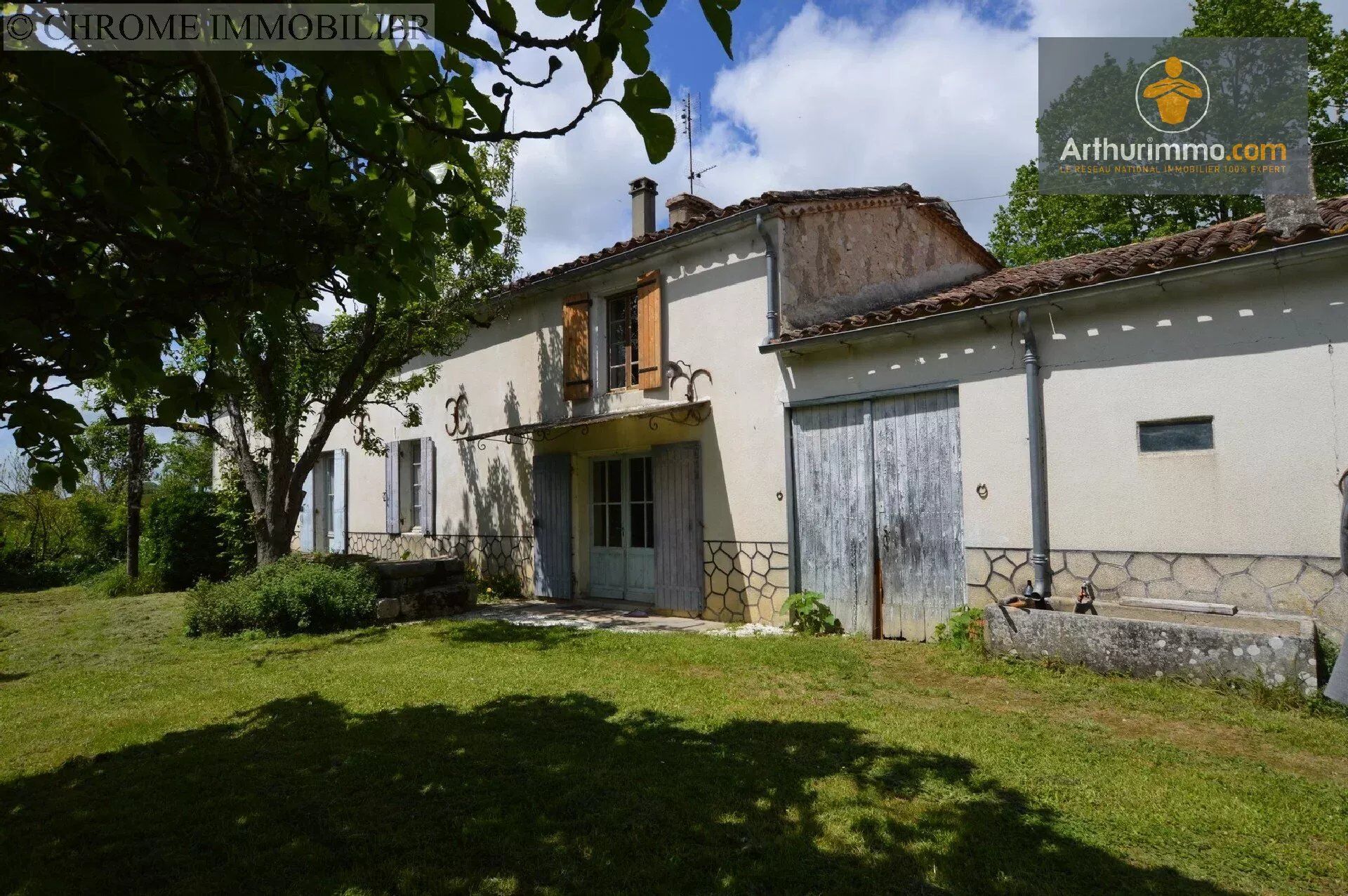
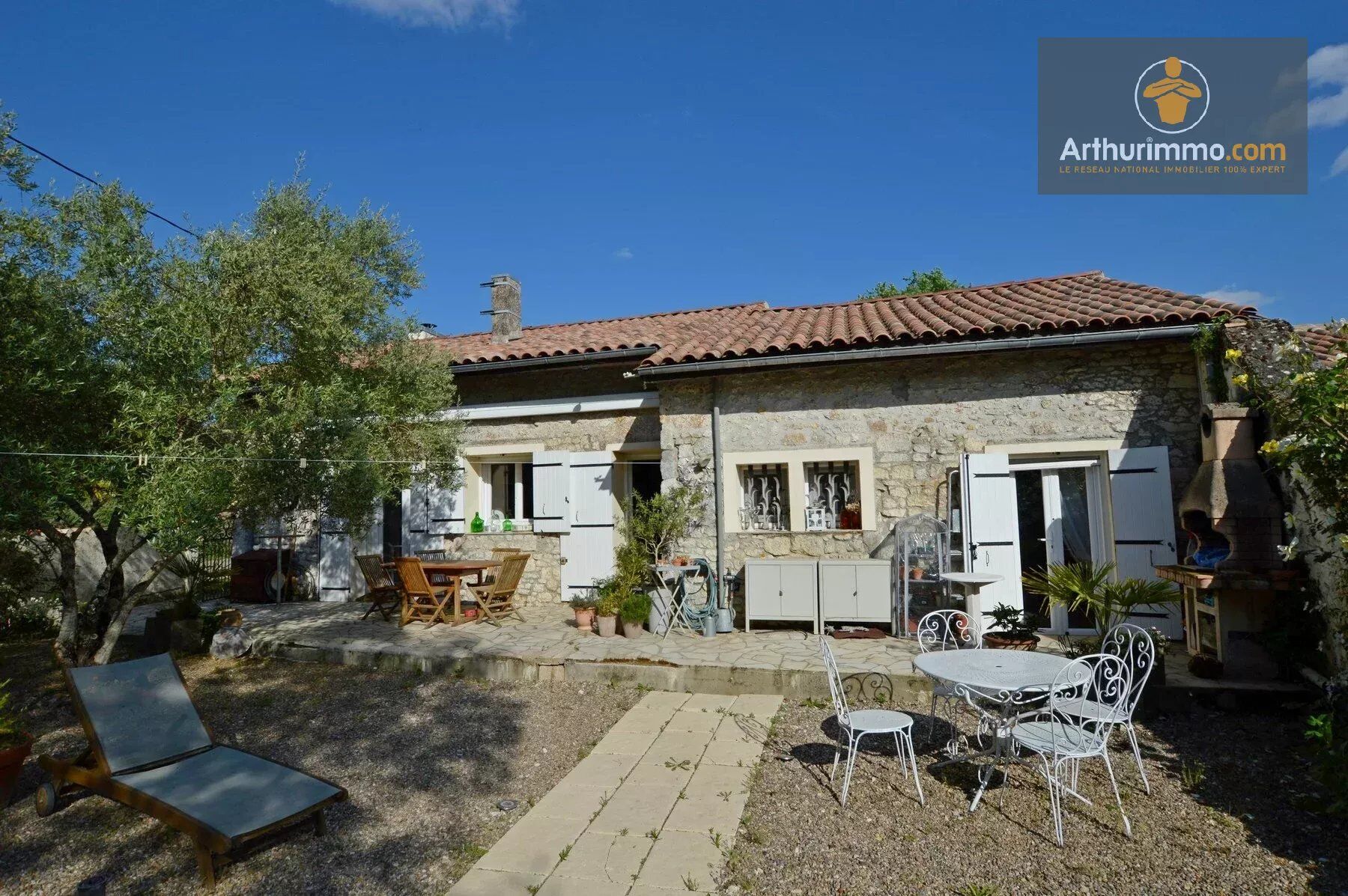
Property here is among the better value in the region — stone houses with land, farmhouses needing work, village houses, and the occasional maison de maître — and consistently cheaper than the equivalent over the departmental line to the north, for reasons that have to do with a name rather than with anything you can see.
The usual advice applies with force: come in February before you decide anything. A Monday market in June sells the place effortlessly. A wet Tuesday in winter tells you whether you would be content here, and that is the question that actually matters.
Duras and the country around it
It is worth ending where the town sits rather than on the town alone, because Duras makes most sense as the centre of something rather than as a destination.
The country framed by Sainte-Foy-la-Grande, Bergerac, Villeréal, Lauzun and Marmande is one landscape: the same Dropt valley, the same bastides founded in the same century during the same war, the same vineyards, the same light. Duras sits near its middle, with its castle, its Monday market and its appellation, and the villages around it — Lévignac-de-Guyenne, Allemans-du-Dropt, Monségur, Loubès-Bernac — carry the same character at prices lower again.
Three départements meeting here means three characters of town, three wine cultures and three sets of prices, all within a short drive of one another and all quietly indistinguishable when you are standing in a field.
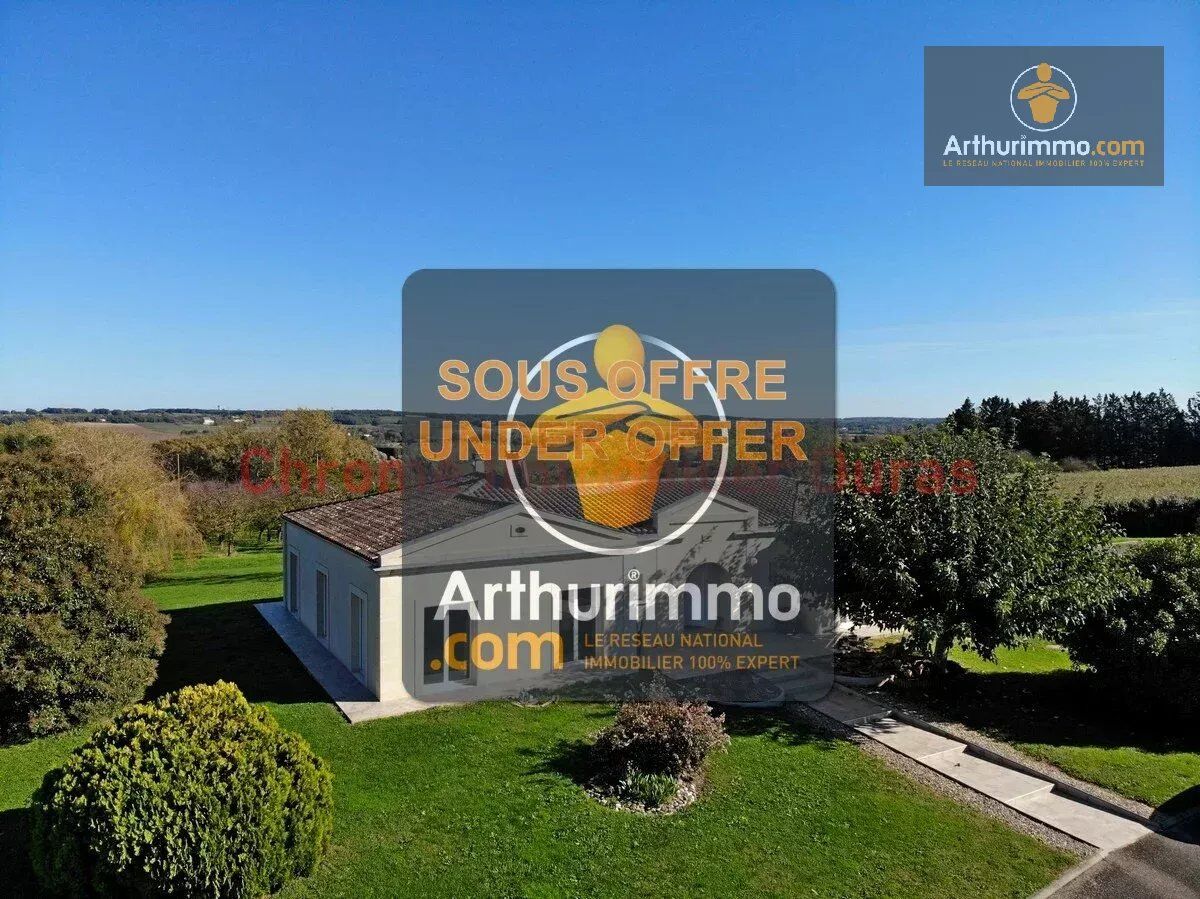
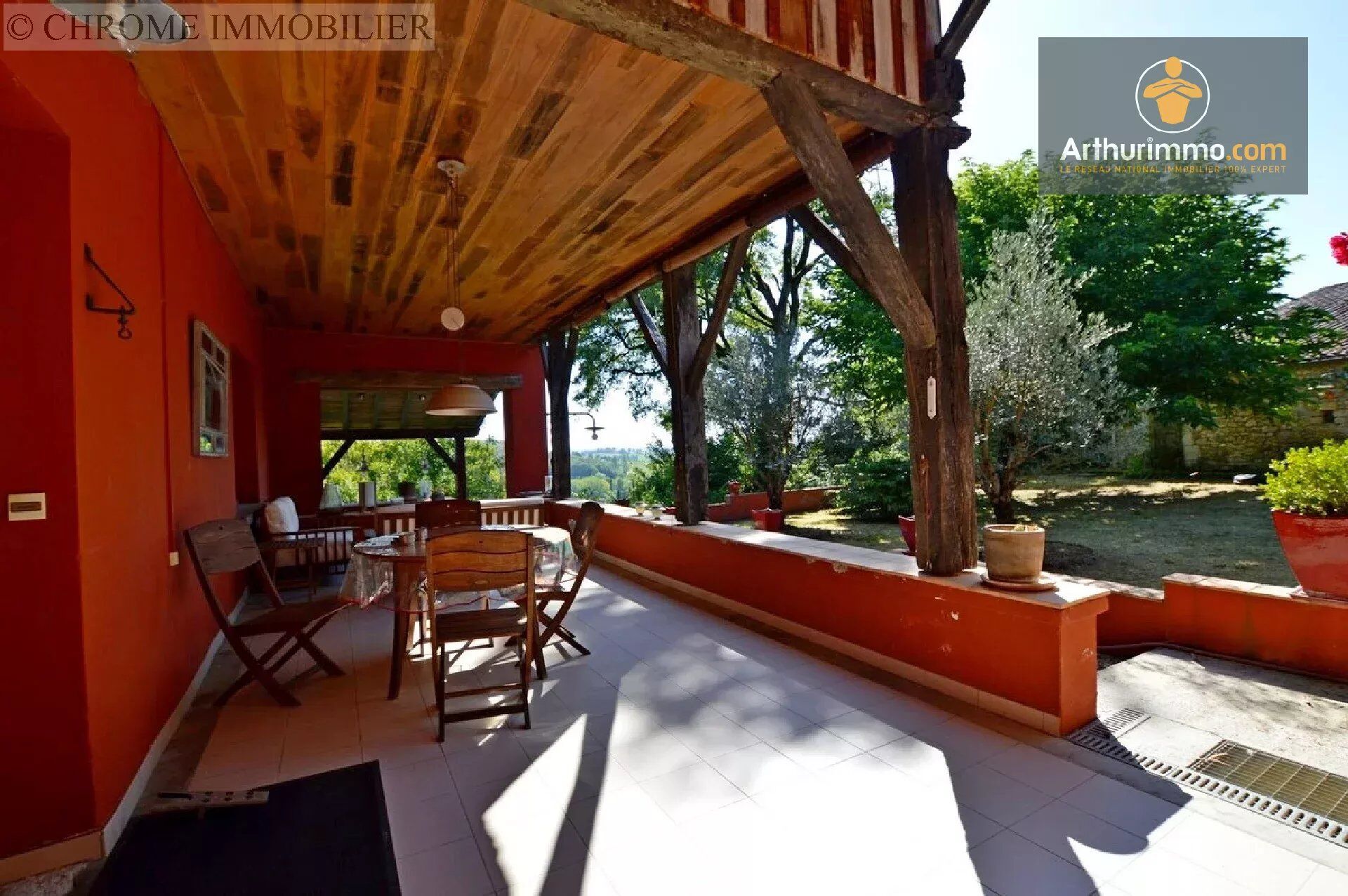
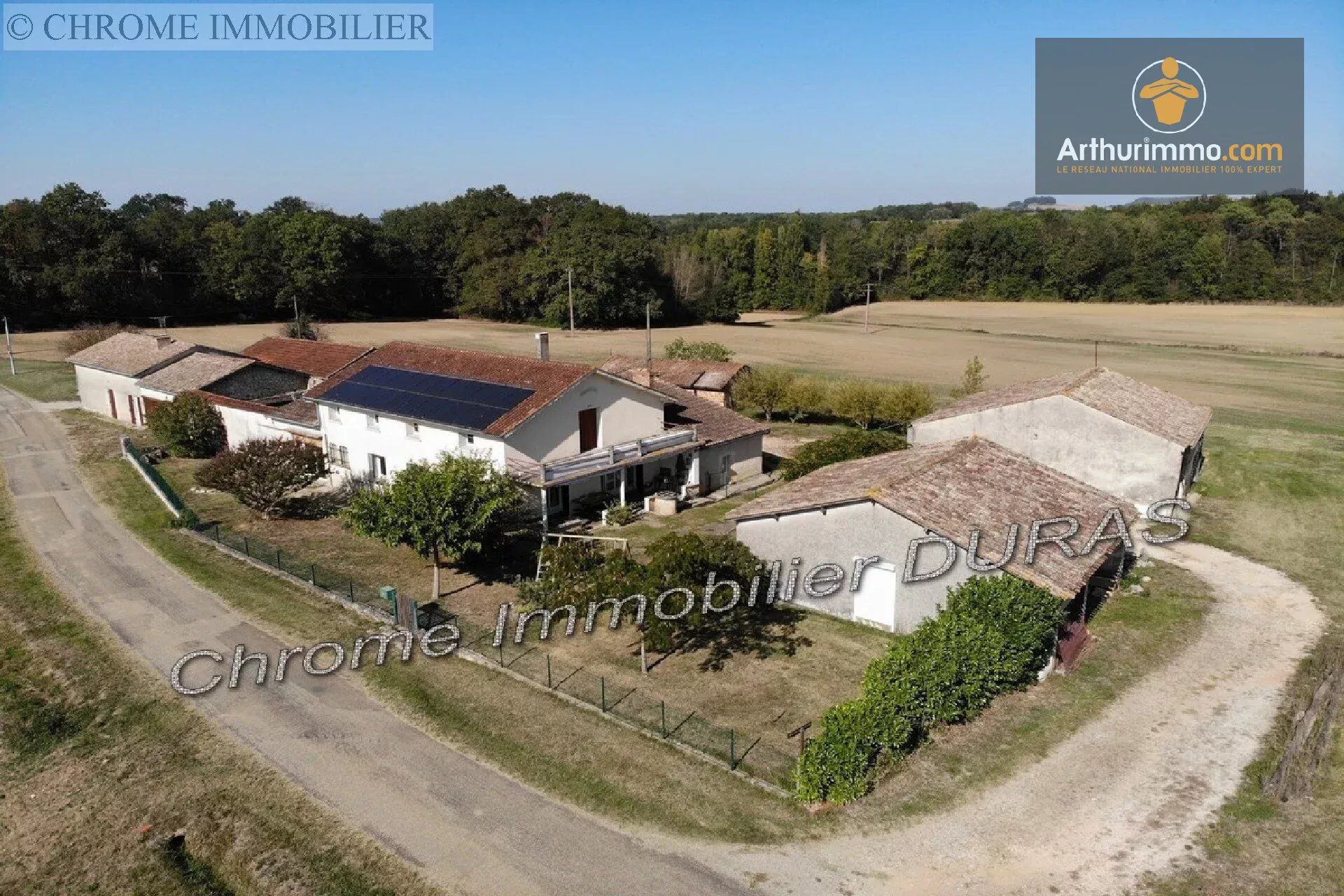
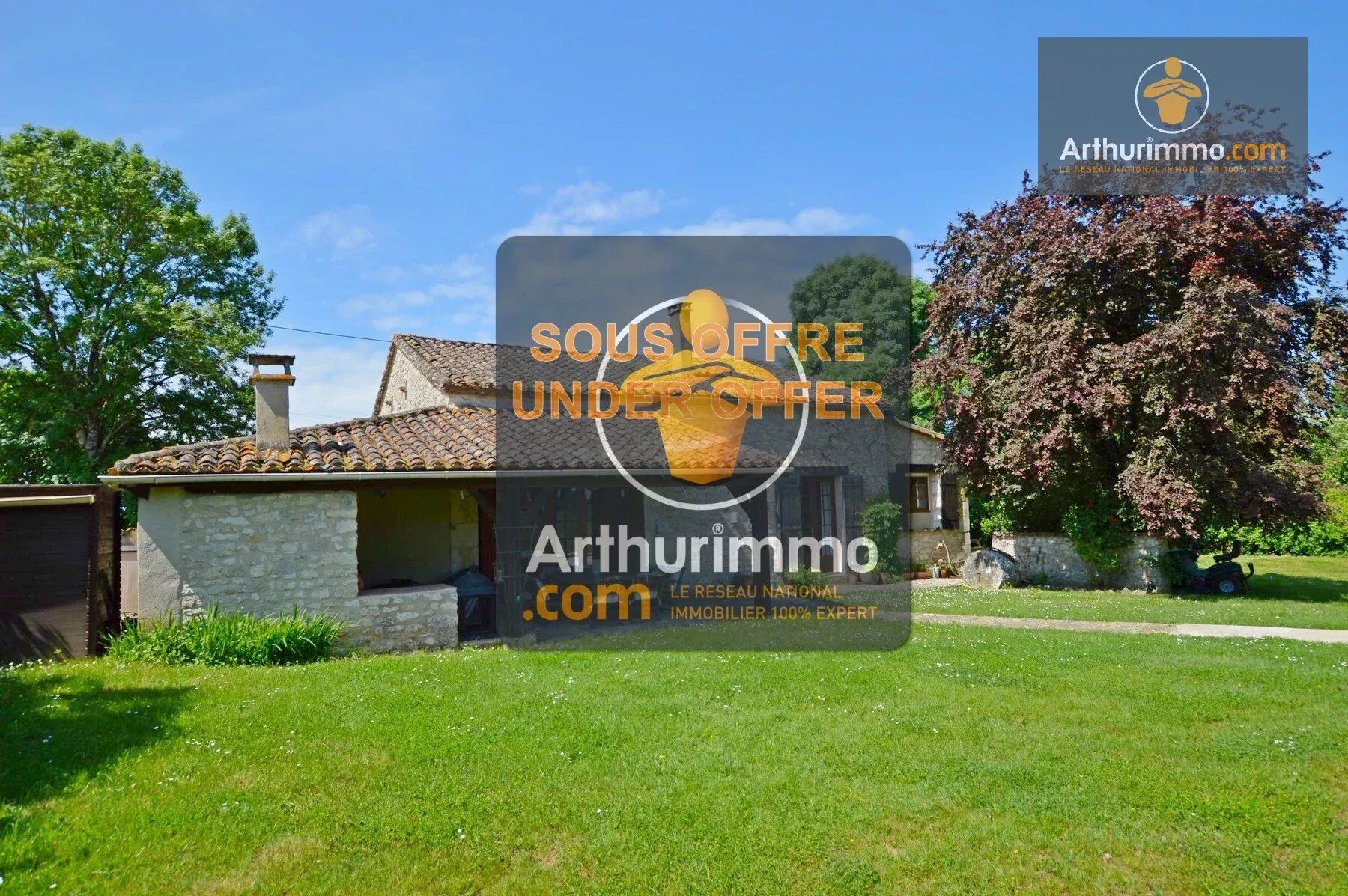
The listings above are a live selection from Duras and the villages around it. If you want to know what a particular budget actually buys here — or simply what a winter is like before you commit to anything — Tina lives in the Duras area, works in local property, and will tell you honestly in your own language.
Why this matters if you're looking at Duras
This is the town at the centre of everything else on this site. Tina lives in the Duras area and works in local property.